Health and Safety Policy for Skip Hire Poplar
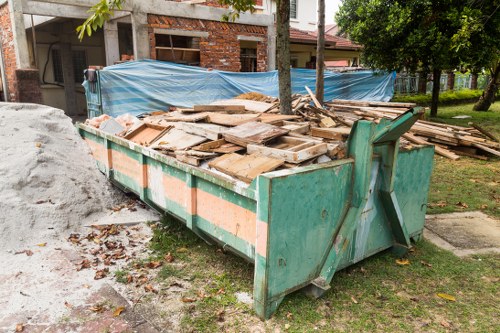 Skip Hire Poplar is committed to providing safe, reliable skip and rubbish collection services while protecting the health of staff, customers and the public. This policy sets out the core principles that govern our waste management operations and the responsibilities that managers, drivers, operatives and contractors must observe. The purpose is to reduce risk, prevent injury and ensure compliance with recognised safety standards for the provision of skip hire and general rubbish services.
We apply a structured approach to safety across all our rubbish removal activities. Key elements include risk assessment, training, incident reporting and corrective action. All employees will receive appropriate instruction on the safe use of lifting equipment, securing loads, and manual handling techniques for skip loading and transfer. Managers will schedule regular toolbox talks, and the company will maintain records of competency and training for drivers and operatives engaged in skip delivery and collection.
 The policy covers all operational areas associated with our skip hire services including site assessments, vehicle operations, waste segregation, recycling handling and temporary storage. Staff are required to follow safe systems of work to control hazards such as moving vehicles, unstable loads, harmful substances, and sharps contained within disposed items. Personal protective equipment is provided and its use is mandatory where appropriate: hi-vis clothing, gloves, steel-toe footwear and eye protection.
To ensure practical and consistent delivery of safety outcomes, the company will use documented procedures and checklists for daily vehicle checks, skip placement protocols and load restraint. Skip hire Poplar services demand disciplined planning: pre-delivery site reconnaissance must identify overhead obstructions, underground cables and access restrictions so crews can position containers without endangering the public or property. Where access is limited, contingency plans such as alternative drop points or the use of smaller bins may be adopted.
Roles and Responsibilities
Everyone has a role in maintaining a safe workplace. Senior management will provide leadership and adequate resources to implement the policy; supervisors will ensure work is planned and monitored; drivers will report hazards and operate vehicles responsibly; operatives will follow safe methods and report near misses. Contractors and third-party loaders engaged for specific jobs must demonstrate that they comply with our standards and local regulatory requirements.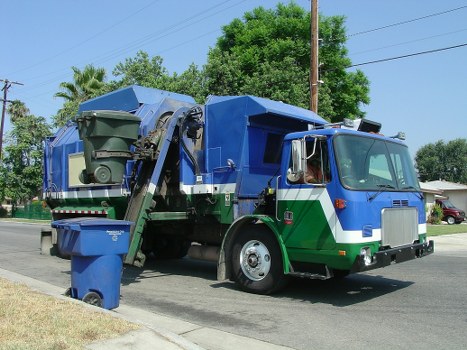 Incident reporting and investigation are essential. All incidents, no matter how minor, must be recorded so root causes can be identified and remedial action taken. The company uses a standard reporting form to capture details and implements corrective measures to avoid recurrence. Where injuries occur, affected employees will receive prompt first aid and, where required, occupational health referrals.
Hazard Controls and Safe Systems
Controls include elimination, substitution, engineering controls and administrative measures. For example, offering smaller skips where large containers present manual handling risks, installing physical markers to delineate skip footprints and employing mechanical aids for heavy or awkward items. Waste collection routines will prioritise segregation to reduce exposure to hazardous materials and improve recycling outcomes. Operational safety extends to vehicle and traffic management. Drivers must adhere to speed limits, use appropriate signalling and ensure that skips are secured prior to transit. Deliveries to public roads will follow parking and lookout procedures to minimise disruption and protect pedestrians. At sites with restricted visibility, banksmen or spotters will be used to guide reversing vehicles.
 Our environmental and waste-handling obligations are aligned with best practice: hazardous waste is handled separately and transferred to authorised facilities, while non-hazardous rubbish is sorted to maximise recycling. The company will maintain records of waste movements, ensuring transparency and traceability across all skip hire and rubbish disposal activities.
Training and competence form the backbone of safe service delivery. Induction training will cover company policies and emergency procedures; role-specific training will address load securing, site safety and manual handling. Regular refresher training and assessments will be scheduled, and records kept to demonstrate ongoing competence in skip hire operations.
Performance monitoring includes audits, safety inspections and review of incident trends. The policy will be reviewed annually or sooner if there are significant operational changes or after a serious incident. Continuous improvement is encouraged through employee feedback, near-miss analysis and engagement with recognised industry guidance relevant to waste collection and skip services.
By maintaining a clear focus on hazard reduction, training, and robust operational controls, Skip Hire Poplar aims to deliver safe, efficient rubbish collection and skip services. Failure to comply with this policy may result in disciplinary action; conversely, exemplary safety behaviour will be recognised. This policy is a statement of intent to protect people, property and the environment while providing dependable waste clearance and skip hire solutions.